


Steel Pipe
Steel Pipe Procurement and Selection Guide
Steel pipe is utilized across industrial, structural, mechanical, and fluid-service applications, and must be supplied in accordance with specific steel grades, manufacturing methods, dimensions, standards, and inspection requirements.
Selecting the correct steel pipe involves more than evaluating the outside diameter. Material grade, wall thickness, manufacturing process, dimensional tolerances, end conditions, and governing specifications collectively determine whether a product is suitable for a specific application.


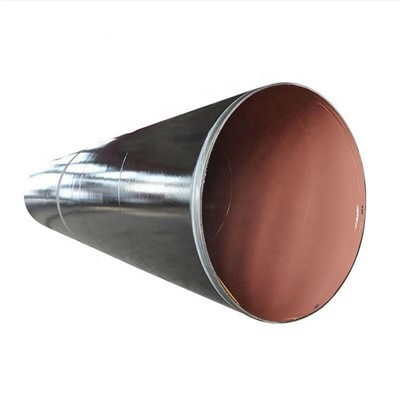
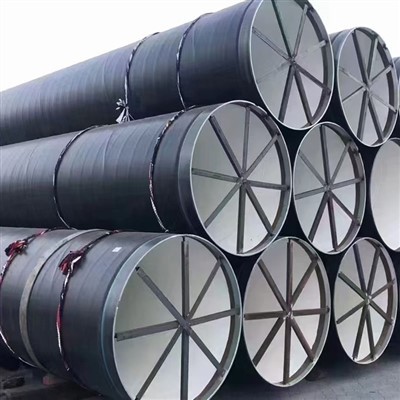


Steel Pipe Selection at a Glance
|
Selection Factor |
What the Buyer Needs to Confirm |
|
Pipe Type |
Seamless or welded construction |
|
Outside Diameter |
OD, or nominal pipe size (NPS) where applicable |
|
Wall Thickness |
Actual thickness or specified pipe schedule |
|
Steel Grade |
Required chemical composition and mechanical properties |
|
Specification |
Applicable ASTM, ASME, EN, API, or project specification |
|
Length |
Fixed length, random length, or project-specific requirement |
|
End Finish |
Plain end, beveled end, threaded end, or other specified finish |
|
Surface Condition |
Bare, black, coated, or otherwise specified |
|
Testing |
Dimensional, mechanical, hydrostatic, NDT, or other required inspection |
|
Quantity |
Stock order, production batch, or project quantity |
|
Documentation |
Material certificates, inspection records, and traceability requirements |
Steel Pipe Types


Seamless Steel Pipe
Seamless pipe is produced without a longitudinal welded seam. It is commonly selected when the application or governing specification requires seamless construction, controlled mechanical properties, or specialized pressure-service performance. Selection should be based on material grade, dimensions, manufacturing specifications, and service conditions rather than the seamless designation alone.
Welded Steel Pipe
Welded pipe is formed from steel plate, strip, or coil and joined along the seam using a specified welding process. Depending on the product specification and manufacturing route, welded pipe is deployed in structural applications, fluid transportation, mechanical fabrication, and general industrial uses.
Key technical aspects to verify for welded pipe include:
- Welding process and weld integrity
- Dimensional consistency and heat treatment requirements
- Non-destructive testing (NDT) requirements
- Applicable product specifications
- End preparation and surface condition
Structural Steel Pipe
Structural pipe is chosen primarily according to load requirements, geometry, steel grade, dimensional tolerances, and fabrication needs. Typical applications include steel structures, frames, supports, columns, equipment structures, and architectural frameworks. Section dimensions and mechanical properties must align with project designs and governing standards.
Mechanical Steel Pipe
Mechanical tubing and piping are utilized in machinery, equipment, and fabricated components where dimensional accuracy, material properties, and machinability are critical. Purchasing requirements typically focus on outside diameter, wall thickness, straightness, tolerances, steel grade, surface finish, and cutting or machining provisions.
How to Select the Right Steel Pipe

Choosing steel pipe by diameter alone can result in incorrect product selection. A comprehensive procurement specification should begin with the service requirement before defining material and dimensional parameters.
Define the Application: Determine the operational purpose—whether for fluid transportation, structural fabrication, mechanical components, pressure service, industrial equipment, construction, or energy infrastructure. The application dictates appropriate standards, grades, testing scopes, and manufacturing routes.
Select the Manufacturing Type: Specify either seamless or welded construction based on the governing specification and service conditions, avoiding the assumption that one method fits all applications.
Specify Diameter and Wall Thickness: Combine nominal pipe size or outside diameter with the required wall thickness or schedule, alongside length requirements. For fabrication projects, specify dimensional tolerances explicitly.
Specify the Steel Grade: Link the steel grade directly to the product specification to ensure correct chemical composition and mechanical properties. Avoid accepting nominal grade descriptions without verification.
Confirm the Applicable Standard: Identify the governing standard (e.g., ASTM, ASME, API, EN) to ensure material, manufacturing, testing, and acceptance requirements meet project needs.
Define Length and End Finish: Establish whether fixed or random lengths are required, and select appropriate end finishes—such as plain, beveled, or threaded ends—to match downstream installation methods.
Define Inspection Requirements: Agree upon inspection scopes prior to production, which may include chemical verification, tensile testing, yield strength testing, elongation testing, dimensional checks, hydrostatic testing, NDT, and material traceability.

Steel Pipe Quality Control

Quality evaluation must rely on measurable requirements rather than generalized claims. A practical quality control workflow follows a structured sequence:
Raw Material --> Pipe Forming --> Welding/Seam Processing --> Heat Treatment --> Dimensional Inspection --> Testing --> Surface Inspection --> Marking --> Packing
Dimensional Inspection: Verifies outside diameter, wall thickness, length, ovality, straightness, and end condition against governing tolerances.
Material Verification: Confirms material composition against specified grades and standards, maintaining heat or batch identification for traceability.
Mechanical Testing: Validates yield strength, tensile strength, and elongation where mandated by product specifications.
Weld Inspection: Implements visual examination and non-destructive testing (NDT) on welded seams or pipe bodies according to the applicable standard.
Frequently Asked Questions