


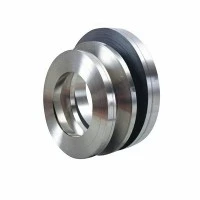


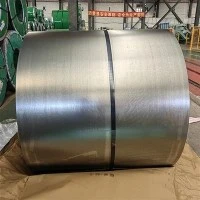
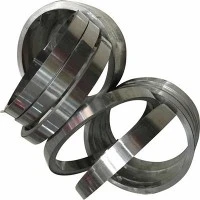
Steel Coil
Global Steel Pipe Selection & Procurement Guide
Procuring industrial carbon steel and alloy pipe requires evaluating far more than outside diameter. Material grade, wall thickness, manufacturing route, dimensional tolerance, end preparation, and applicable product standards collectively determine whether a pipe complies with a specific industrial application.




Steel Pipe Selection at a Glance
|
Selection Factor |
Technical Requirement to Confirm |
Common Industry Examples |
|
Pipe Manufacturing Type |
Seamless or welded construction |
Seamless, ERW, LSAW, SSAW |
|
Outside Diameter (OD) |
Actual outer dimension or Nominal Pipe Size |
NPS 2 inch to 24 inch |
|
Wall Thickness |
Actual wall dimension or pipe schedule |
Schedule 40, Schedule 80, XXS |
|
Steel Grade |
Required chemical and mechanical properties |
ASTM A53 Gr. B, API 5L X52, ASTM A106 Gr. B |
|
Governing Standard |
Applicable product or project specification |
ASTM, ASME, API, EN, ISO |
|
Length Configuration |
Fixed, random, or custom cut lengths |
SRL (Single Random), DRL (Double Random) |
|
End Finish |
Preparation for welding or joining |
Plain End (PE), Beveled End (BE), Threaded (TE) |
|
Inspection & Testing |
Mandatory quality control and verification scope |
Hydrostatic testing, NDT, Mill Test Reports |
Core Steel Pipe Manufacturing Routes

Seamless Steel Pipe
Manufactured without a longitudinal welding seam, seamless pipe is specified when high-pressure performance, high-temperature service, or strict mechanical uniformity is required by the engineering standard.
- Common Governing Standards: ASTM A106, ASTM A53, API 5L (Seamless lines)
- Engineering Focus: Uniform wall thickness, high-pressure tolerance, and certified material chemistry.
Welded Steel Pipe
Formed from steel plate, strip, or coil and joined along the seam using recognized industrial welding processes (such as ERW, LSAW, or SSAW).
Engineering Focus for Buyers:
- Welding process qualification and weld seam integrity
- Dimensional straightness and ovality control
- Post-weld heat treatment (PWHT) compliance
- Non-destructive testing (NDT) scope, including ultrasonic or radiographic examination
Step-by-Step Procurement Strategy
Define the Service Environment
Identify the exact operational conditions before selecting dimensional properties:
- Fluid, oil, and gas transmission (Line pipe service)
- Structural columns, frames, and heavy fabrication
- Mechanical and machinery component manufacturing
- High-temperature or high-pressure industrial processing
Specify Complete Dimensions and Tolerances
Avoid generic descriptions. A precise technical request minimizes quotation errors and technical rejections:
Validate Steel Grade and Product Standards
Never accept a nominal grade description without tying it to an explicit standard. Different standards (such as ASTM versus EN specifications) dictate strict compliance variances in yield strength, tensile strength, and impact testing requirements.
Establish Inspection and Documentation Scope
Quality assurance must be agreed upon prior to production. For critical infrastructure and industrial projects, purchasing specifications should mandate:
- Material Test Reports (MTRs) complying with EN 10204 3.1 or 3.2 certification
- Hydrostatic testing and NDT verification records
- Heat or batch number traceability documentation

Frequently Asked Questions