


Steel Wire
Complete Specifications, Applications & Global Procurement Guide
Carbon, Stainless, Galvanized & Custom Steel Wire for Precision Industrial Manufacturing
Industrial steel wire is supplied across various steel grades, exact diameters, tensile strength ranges, surface finishes, heat-treatment states, and delivery forms. Selecting the correct specification depends entirely on downstream processing requirements, automated feeding systems, and the structural load of the finished component.
For global industrial and OEM buyers, success relies on more than nominal wire diameter and material grade. Parameters such as tight diameter tolerances, tensile consistency, surface conditions, straightness, and complete batch traceability directly influence drawing, bending, forming, welding, and spring manufacturing.
Certified to ASTM, EN, DIN, JIS, ISO, and customer-specific standards for global industrial applications.
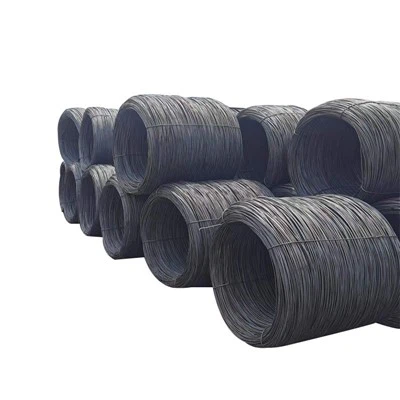

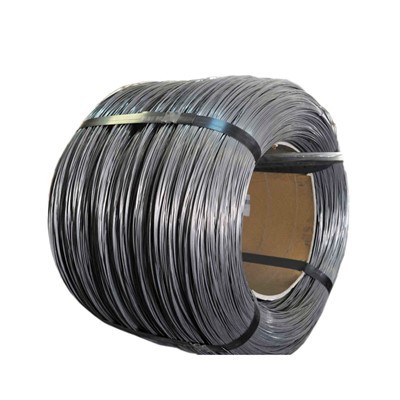
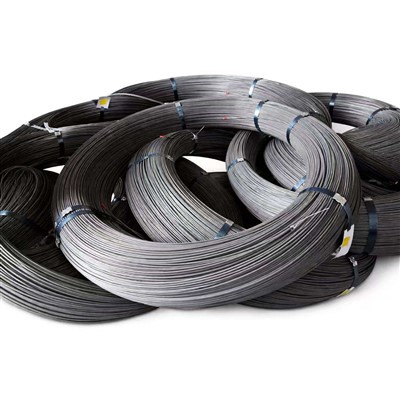
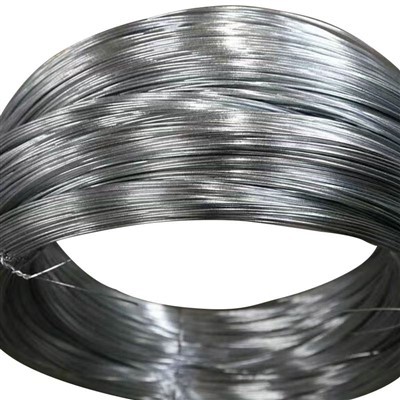
Comprehensive Steel Wire Product Range
We supply industrial steel wire compliant with strict international standards. All material configurations can be certified against international standards prior to final quotation.
|
Steel Wire Type |
Typical Characteristics |
Common Industrial Applications |
|
Carbon Steel Wire |
Balanced carbon levels and predictable strength conditions |
General fabrication, formed components, fasteners, fencing |
|
Low Carbon Steel Wire |
Superior ductility and formability for bending and twisting |
Binding wire, welded mesh, safety fencing, general wire goods |
|
High Carbon Steel Wire |
High tensile strength and hardness after processing |
Precision mechanical springs, high-stress wire components |
|
Stainless Steel Wire |
Excellent corrosion resistance depending on grade and finish |
Industrial machinery, food equipment, medical and chemical engineering |
|
Galvanized Steel Wire |
Protective zinc-coated surface for extended outdoor durability |
Agricultural fencing, construction tie wires, outdoor frameworks |
|
Spring Wire |
Controlled mechanical properties for elastic deformation |
Compression, tension, and torsion springs |
|
Welding Wire |
Produced strictly to specific welding process standards |
Structural metal fabrication and automated welding lines |
|
Cut-to-Length Wire |
Precision-straightened and supplied in exact cut sections |
Industrial pins, clips, and assembly hardware |
|
Shaped Wire |
Non-round profiles designed for custom applications |
Specialized industrial components and formed wire products |
How to Select the Right Steel Wire
Industrial steel wire should always be specified from the application backwards, rather than starting with diameter alone.
Define the End Use
Identify the final function of the component (e.g., springs, fasteners, automotive parts, or welding consumables). The application dictates mechanical requirements, corrosion resistance, and formability.

Select the Steel Grade
The steel grade dictates chemical composition, strength, ductility, and heat-treatment response. Standard categories include low carbon, medium carbon, high carbon, alloy, and stainless steel.
Define Wire Diameter and Tolerance
For automated manufacturing, dimensional consistency is critical. Specify nominal wire size, permitted diameter tolerances, roundness/ovalness limits, and measurement methods.

Specify Mechanical Properties
Define required mechanical parameters based on operational loads, including tensile strength, yield strength, elongation, hardness, and reduction of area.
Determine Surface Condition
Explicitly state surface requirements such as bright, black, pickled, galvanized, or specialized coatings to control friction, appearance, and corrosion protection.


Choose the Delivery Form
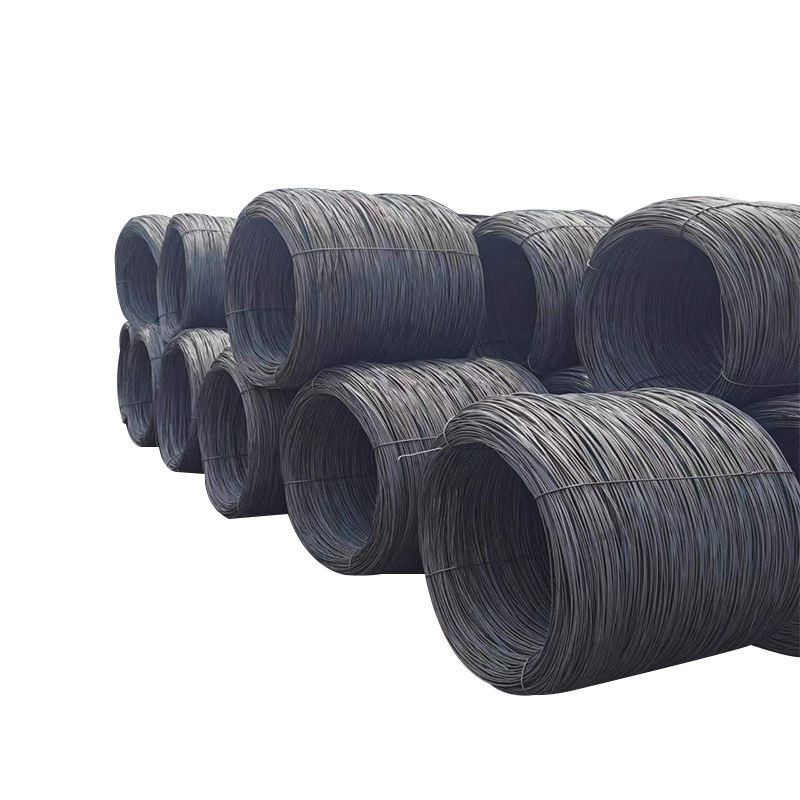
Select the optimal delivery format based on your feeding equipment: industrial coils, spools, reels, straightened lengths, or cut sections.
Spring Manufacturing: Demands tight diameter tolerances, clean surface defect control, consistent coil properties, and stable tensile strength to ensure uniform spring rates.
Fencing & Wire Mesh: Evaluates wire diameter, tensile grade, and uniform zinc-coating weights for automated welding, weaving, or twisting processes.
Construction Binding Wire: Focuses on low-carbon flexibility, ease of tying, consistent annealing conditions, and practical coil handling.
Automotive & Machinery Components: Requires strict material traceability, chemical composition verification, and comprehensive quality documentation.
Welding Applications: Demands strict dimensional stability and chemical purity to ensure smooth wire feeding and sound weld integrity.
Steel Wire Frequently Asked Questions