Carbon Steel Plate

Carbon Steel Plate: Comprehensive Procurement & Technical Guide


Carbon steel plate is widely used for structural fabrication, machinery, industrial equipment, and other applications where controlled material grade, thickness, mechanical properties, and dimensional accuracy are required.


Available specifications can be matched to the applicable international material standard, grade, plate dimensions, delivery condition, and inspection requirements defined by the buyer.


Application-Based Grade Selection

Different applications require specific material families and certifications.

Structural Carbon Steel Plate

Commonly selected for load-bearing components, frames, and industrial platforms. Key considerations include yield strength, tensile strength, weldability, and dimensional tolerance.

Machinery Fabrication Plate

Requires controlled mechanical properties and consistent internal dimensions for cutting, welding, bending, or machining (e.g., machine frames, base plates, and heavy-duty components).

Pressure and Temperature Service

Intended for boilers and pressure vessels. Ordinary structural plate must not be substituted. Requirements often include specific chemical controls, high-temperature mechanical testing, impact testing, heat treatment, ultrasonic testing (UT), and full heat/lot traceability.

Shipbuilding and Marine Fabrication

Requires grades and classification society documentation (e.g., DNV, ABS, LR) appropriate to marine engineering standards, including strict impact performance at low temperatures.


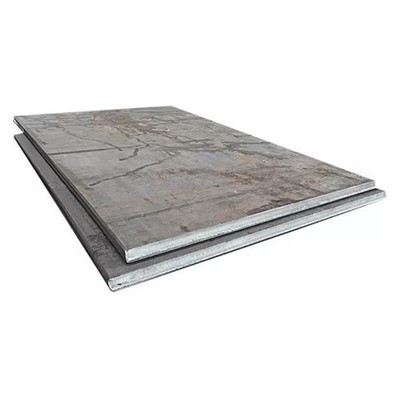
Carbon Steel Hot Rolled Plate


How to Choose Carbon Steel Plate in 5 Steps

Define the Application: Identify whether the plate is for structural use, machinery, pressure service, or marine applications.


Confirm Grade and Standard: Always specify grade, standard, and delivery condition instead of generic terms.


Define Dimensions: Specify exact thickness, width, and length aligned with your nesting and cutting plan to minimize material waste.


Confirm Mechanical and Inspection Requirements: Select necessary tests (e.g., tensile test, impact test, ultrasonic testing) based on project risk.


Confirm Documentation Before Shipment: Ensure Mill Test Certificates and traceability reports are agreed upon prior to production.


Quality Control and Traceability

For industrial buyers, quality control is backed by measurable testing and certification:


Chemical Analysis: Verification against standard composition limits.


Mechanical Testing: Yield/tensile strength and elongation checks.


Surface and Dimensional Inspection: Monitoring thickness, width, length, flatness, and edge conditions.


Traceability: Heat or lot numbering linking the physical plate directly to its corresponding test records.
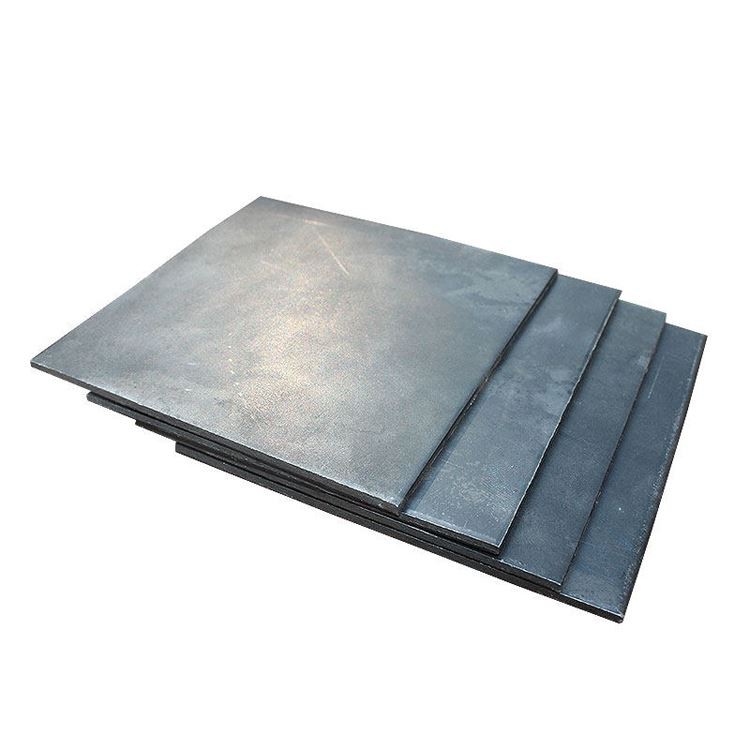
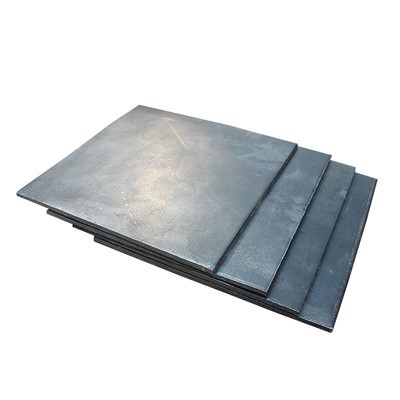
Carbon Steel Cold Rolled Plate


Frequently Asked Questions


Q: What is carbon steel plate?

A: Carbon steel plate is a flat steel product where carbon is the principal alloying element used to establish required mechanical properties. Its exact performance depends heavily on the specific grade, chemical composition, processing condition, and applicable standard.

Q: How do I choose the right carbon steel plate grade?

A: Start with your final application and applicable design standards (such as ASTM, EN, or JIS). Then confirm the required yield strength, fabrication method, thickness, welding requirements, and necessary testing or documentation.

Q: What information should I provide for a carbon steel plate quotation?

A: At a minimum, provide the grade, standard, thickness, width, length, and quantity. For project orders, also specify your inspection, testing, certification, delivery condition, and documentation requirements.

Q: Can carbon steel plate be cut to size?

A: Yes. Cut-to-size and cut-to-length options are available to match your specific fabrication or nesting requirements. Please include your finished dimensions and acceptable dimensional tolerances in your inquiry.

Q: What mill test documents are normally required?

A: Depending on the application, buyers typically require a Mill Test Certificate in accordance with EN 10204 3.1 or 3.2, which includes chemical composition reports, mechanical test results, dimensional records, and full heat/lot traceability.

Q: Is carbon steel plate suitable for welding?

A: Many grades are widely used in welded fabrication, but weldability depends directly on the steel chemistry, grade, thickness, and welding procedures. Always select the material against your specific welding and design requirements.

Q: What is the difference between carbon steel plate and stainless steel plate?

A: Carbon steel is chosen for structural strength and general fabrication where high corrosion resistance is not the primary requirement. Stainless steel contains chromium to provide substantially greater corrosion resistance for aggressive or hygiene-sensitive environments.

Q: Can carbon steel plate be used for pressure vessels?

A: Only specific grades produced under certified boiler and pressure-vessel standards (such as ASTM A516) are suitable. Ordinary structural carbon steel plate must never be substituted for pressure service without formal engineering approval.

Q: How can I reduce material waste during procurement?

A: Match your plate dimensions directly to your cutting and nesting layout. Analyzing standard plate sizes, cut-to-size options, and nesting efficiency before placing an order helps minimize offcuts and secondary cutting work.

We're known as one of the most professional carbon steel plate manufacturers and suppliers in China. With abundant experience, we warmly welcome you to buy cheap carbon steel plate made in China here from our factory. For price consultation, contact us. Carbon Steel Hot Rolled Plate, carbon steel plate, Carbon Steel Cold Rolled Plate

whatsapp

Phone

E-mail

Inquiry