


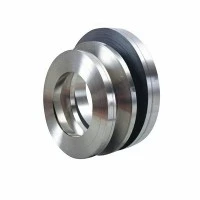


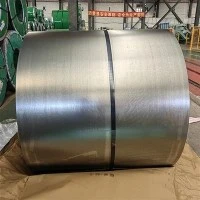
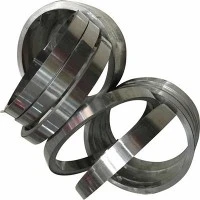
Carbon Steel Coil
Carbon Steel Coil Technical & Procurement Guide
Carbon steel coil is supplied in continuous rolled form for downstream processing such as slitting, cut-to-length, stamping, roll forming, bending, fabrication, and tube production.
Defining the material specification around the final manufacturing process rather than using a generic material name ensures better quality control, lower rejection rates, and more accurate supplier quotations.
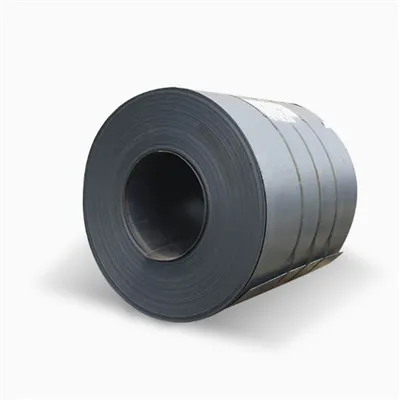

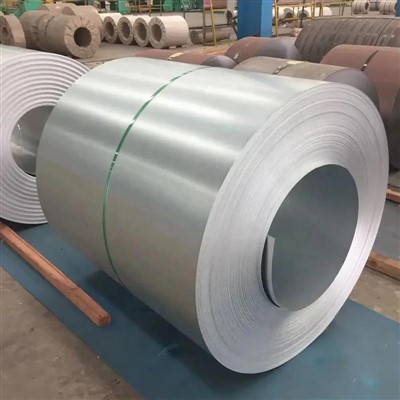

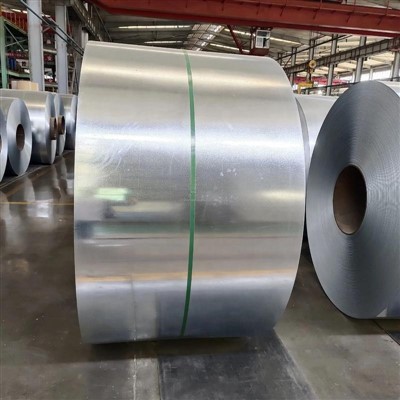
Carbon Steel Coil Types & Standard Grades
Hot Rolled Coil
Standards: ASTM A36 / A1011, JIS SPHC, EN S235JR / S355JR.
Uses: Structural parts, general fabrication, machinery, pipes, and tubes.
Cold Rolled Coil
Standards: ASTM A1008, JIS SPCC, EN DC01.
Uses: Sheet metal, automotive parts, appliances, and precision forming requiring tight tolerances and smooth surfaces.
Coated Coil
Standards: ASTM A653 (Galvanized), ASTM A792 (Galvalume).
Uses: Corrosion-resistant environments and exposed panels (specify coating mass like Z275 relative to forming).
Comprehensive Purchasing Specification Parameters
To secure accurate quotations from global suppliers, define your technical requirements using this standard parameter table:
|
Parameter Category |
Specification Requirement |
Description & Examples |
|
Material & Grade |
Carbon steel & Steel Grade |
Strictly defined (e.g., ASTM A36, JIS SPHC, DC01) |
|
Product Form |
Coil |
Continuous rolled strip supplied in coil form |
|
Thickness |
Nominal thickness & Tolerance |
Required nominal value and allowable deviation (mm / inches) |
|
Width |
Nominal width & Tolerance |
Required nominal value and allowable deviation |
|
Coil Dimensions |
ID, OD, and Coil Weight |
Inner Diameter, Outer Diameter, and target weight (Metric Tons) |
|
Surface Condition |
Surface finish |
Mill finish, matte, bright, oiled, or dry |
|
Edge Condition |
Edge type |
Mill edge or slit edge with burr control limits |
|
Mechanical Properties |
Strength & Ductility limits |
Yield strength, tensile strength, elongation, and hardness |
|
Chemical Composition |
Element percentages |
Maximum/minimum percentages for C, Mn, P, S, Si, etc. |
|
Inspection |
Inspection level |
Mill test inspection or third-party inspection (SGS, BV, etc.) |
|
Documentation |
Quality certificates |
Mill Test Certificate (MTC) conforming to EN 10204 3.1 / 3.2 |
|
Packaging |
Export sea-worthy packing |
VCI anti-rust paper, steel strapping, waterproof wrapping |

Structural Fabrication: Prioritize steel grade, minimum yield strength, weldability, and dimensional consistency.
Roll Forming: Focus closely on thickness consistency, width tolerance, yield strength, flatness, and edge condition to prevent strip wandering or profile distortion.
Stamping & Deep Drawing: Emphasize elongation percentages, yield-to-tensile ratio, surface condition, and grain structure.
Tube & Pipe Production: Ensure strip edge quality, chemical composition control, and weldability match the tube mill's welding parameters.
Chemical Analysis: Verifying carbon, manganese, silicon, sulfur, and phosphorus against the governing standard.
Mechanical Testing: Confirming tensile strength, yield strength, and elongation through tensile test coupons.
Dimensional & Surface Checks: Inspecting thickness profile, width deviation, coil weight, and surface defects (scratches, pits, scale, or rust).
Traceability: Ensuring every coil is stamped or tagged with a unique batch or coil number that links directly to the MTC.

FAQ