


Steel Strip
Technical Specifications, Applications, and Global Procurement Guide
Steel strip is supplied to meet the precise material grade, dimensions, surface condition, edge condition, and coil requirements of industrial manufacturing processes. It serves as a fundamental feedstock for stamping, forming, bending, slitting, roll forming, spring production, automotive components, hardware, electrical parts, appliances, and general metal fabrication.
For global procurement teams, the critical specification is not simply “steel strip.” The required combination of steel grade, thickness, width, tolerance, mechanical properties, surface condition, edge condition, and coil configuration determines whether the material will run correctly in production.
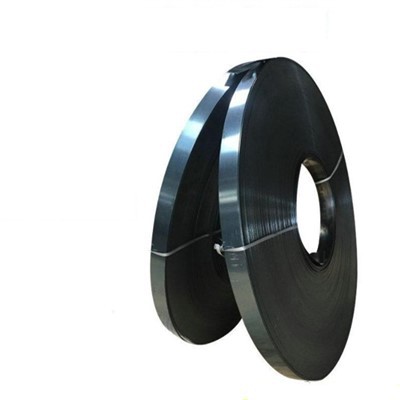

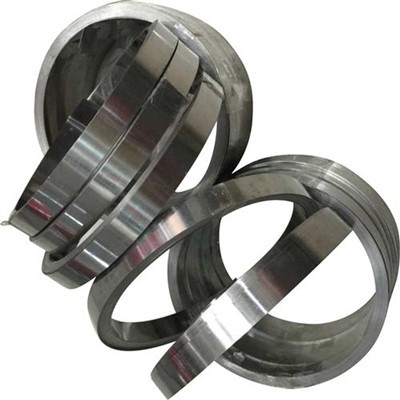
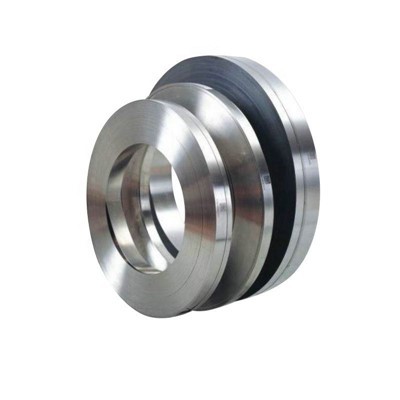

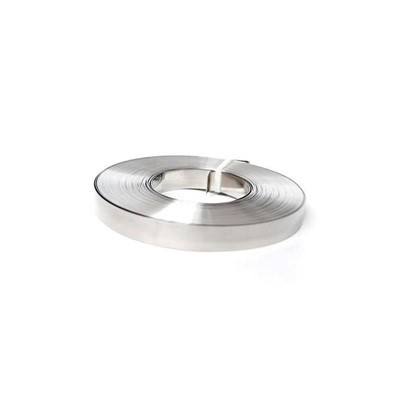
Steel Strip Specifications
Steel strip can be supplied according to customer material specifications, applicable international standards (such as ASTM, AISI, EN, JIS, or GB), and production application requirements.
|
Parameter |
Typical Requirement |
|
Product |
Steel Strip / Slit Strip / Coil |
|
Production Route |
Hot rolled or cold rolled, depending on grade and application |
|
Material Base |
Carbon steel, alloy steel, stainless steel, and specified standard grades |
|
Supply Form |
Mill coil, slit coil, or cut-to-length strip |
|
Width |
Application-specific, produced to precision slitting tolerances |
|
Thickness |
Engineered according to drawing, tooling, and application |
|
Edge Condition |
Mill edge, slit edge, deburred, or specified custom edge |
|
Surface Finish |
Matte, bright, coated, or finished according to end-use requirements |
|
Mechanical Properties |
Yield strength, tensile strength, elongation, hardness, or temper |
|
Coil Dimensions |
Inner Diameter (ID), Outer Diameter (OD), and max coil weight |
|
Tolerances |
Conforming to agreed purchase specification or international standard |
|
Inspection & Quality |
Dimensional, surface, and mechanical testing with MTC (Material Test Certificates to EN 10204 3.1 or equivalent) |
Steel Strip Product Types

Cold Rolled Steel Strip
Cold rolled strip is selected where tighter dimensional control, superior surface finish, and controlled mechanical properties are required.
Key Applications: Precision stamping, appliance components, automotive parts, hardware, electrical components, and general formed parts.
Selection Focus: Grade and temper must match the forming severity and finished-part mechanical requirements.
Hot Rolled Steel Strip
Hot rolled strip is utilized when the application places greater emphasis on structural performance, wider thickness ranges, or cost-effective material supply.
Key Applications: Structural components, fabricated parts, machinery components, roll-formed products, and general metal processing.
Selection Focus: Surface and dimensional requirements must be aligned with downstream processing limits.
Carbon & High Carbon Steel Strip
Carbon Steel Strip: Covers a wide application spectrum. Low-carbon grades suit general bending and stamping; higher-carbon grades deliver increased hardness and strength.
High Carbon Steel Strip: Used in applications requiring controlled hardness, wear resistance, and spring performance.
Applications: Springs, clips, industrial blades, saw components, and wear-resistant parts. Heat-treatment conditions must be agreed upon prior to production.
Stainless Steel Strip
Selected when corrosion resistance, high-temperature performance, specific surface appearance, or specialized mechanical properties are mandatory.
Applications: Precision instruments, automotive trim, food-grade appliances, electrical hardware, and industrial equipment. Grade selection should evaluate the actual service environment.

Selecting the Right Steel Strip for Production
Define the End Application: Identify the component and process (stamping, progressive die forming, bending, deep drawing, roll forming, spring forming, welding). Different processes demand distinct combinations of strength, elongation, and surface quality.
Confirm the Material Grade: Use engineering drawings or international material standards. Avoid selecting equivalent grades based solely on chemical composition without verifying mechanical behavior.
Verify Dimensions & Tolerances: Thickness and width must match finished-part dimensions, tooling clearances, and automated strip-feeding equipment. Dimensional consistency prevents feed jams.
Define Mechanical Properties: Specify yield strength, tensile strength, elongation, hardness, or temper. Excessive strength reduces formability, while insufficient strength causes structural failure.
Specify Surface and Edge Requirements: Account for downstream processes such as plating, painting, welding, or aesthetic visibility. For slit strip, burr control is critical to protect tooling and ensure smooth feeding.
Manufacturing and Quality Control Considerations

Material Traceability
Complete lot control from incoming raw material to final packaging, including heat numbers and chemical analysis records.

Slitting Control
Precision slitting controls strip width, width tolerance, edge camber, burr level, and winding quality—crucial for continuous high-speed stamping.

Inspection Protocols
Dimensional checks (thickness, width, flatness, camber) and mechanical testing (tensile, yield, hardness) executed according to agreed acceptance criteria.
Steel Strip vs. Steel Sheet
|
Factor |
Steel Strip |
Steel Sheet |
|
Form |
Narrow strip or precision-slit coil |
Wider sheet or master coil |
|
Typical Processing |
Stamping, slitting, continuous feeding, precision forming |
Fabrication, cutting, bending, panel production |
|
Feeding Method |
Optimized for continuous high-speed strip feeding |
Processed as individual sheets or wider feeds |
|
Width Profile |
Application-specific and narrower |
Generally wider standard widths |
|
Purchasing Focus |
Width, thickness, edge quality, and tight coil consistency |
Sheet dimensions, flatness, and surface uniformity |
Frequently Asked Questions