


Steel Bar
Ultimate Global Steel Bar Technical and Specification Guide
Steel bars are supplied in a wide variety of steel grades, cross-sections, sizes, and surface conditions to meet stringent engineering requirements for CNC machining, industrial fabrication, structural components, and heavy-duty mechanical parts.
For international procurement, sourcing the correct steel bar requires evaluating critical specifications beyond simple diameter or material names. Grade, applicable international standards, delivery conditions, dimensional tolerances, surface finish, mechanical properties, and material test documentation all determine whether a material is fit for its final application.

Steel Bar Product Classification & International Standards


Common Steel Bar Types
- Carbon Steel Bar: Cost-effective carbon-based grades designed for general engineering and fabrication. Ideal for industrial shafts, pins, and general machine parts.
- Alloy Steel Bar: High-performance alloyed grades selected for superior strength, hardenability, and mechanical durability. Widely used for heavy-duty gears, axles, and structural components.
- Stainless Steel Bar: Corrosion-resistant grades tailored for harsh operational environments. Essential for food processing, chemical equipment, and marine industrial parts.
- Tool Steel Bar: Premium grades engineered for extreme hardness, wear resistance, and cutting efficiency. Utilized for industrial dies, punches, and precision cutting tools.
Cross-Sectional Shapes
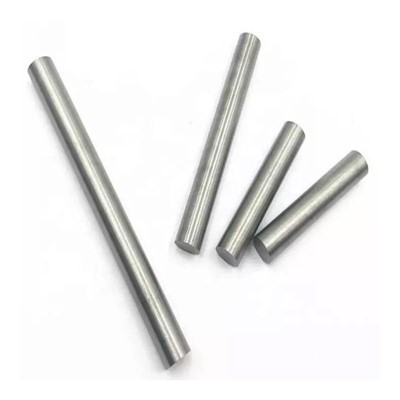
- Round Steel Bar: The industry standard for CNC turning, drilling, threading, and automated machining applications (shafts, rollers, bushings).
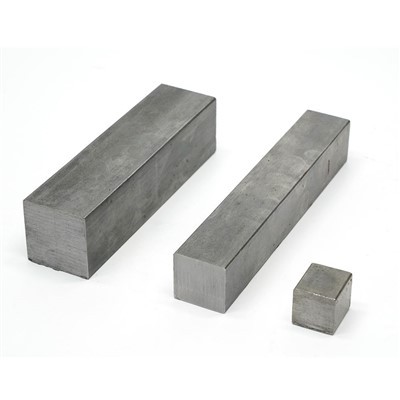
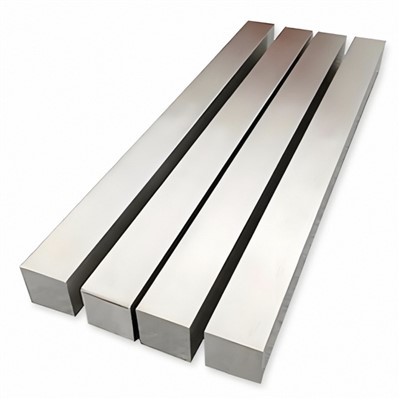
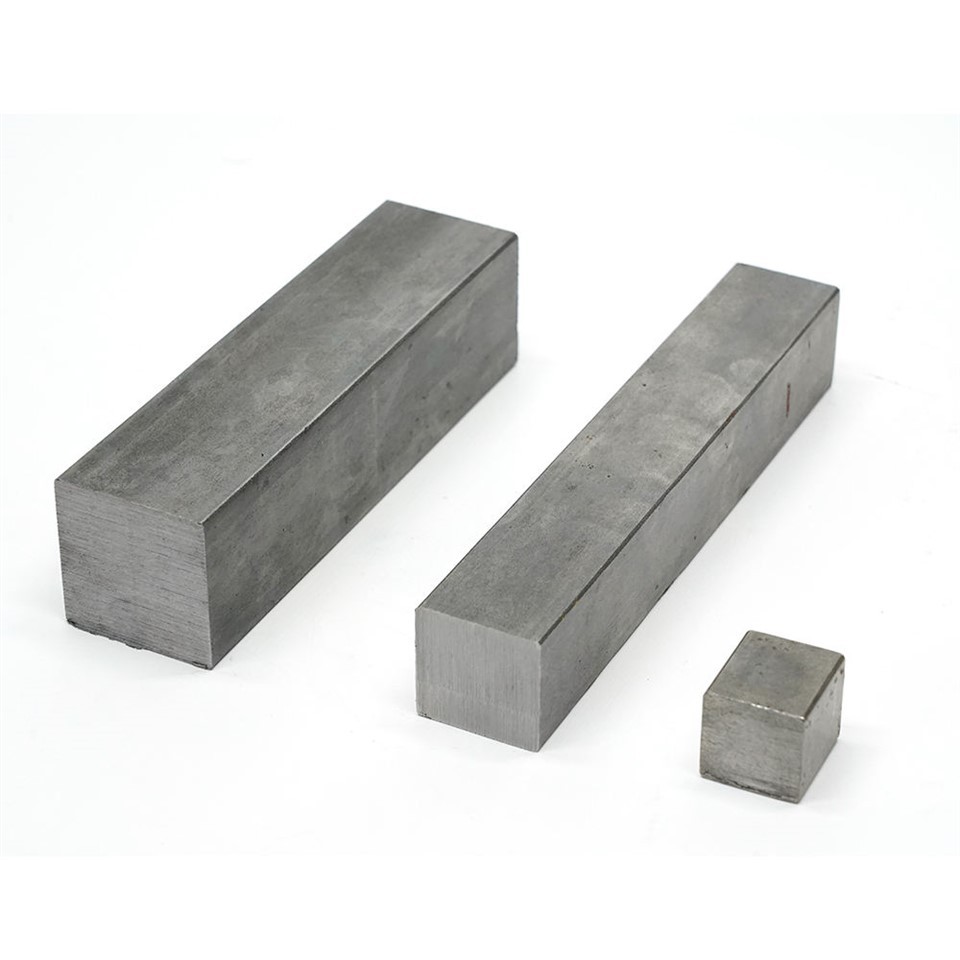
- Square Steel Bar: Features four flat faces, frequently specified for structural frames, supports, and heavy fabricated assemblies.
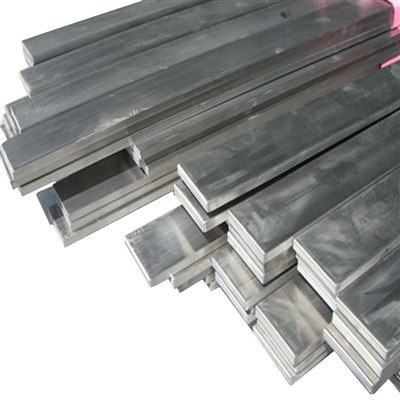
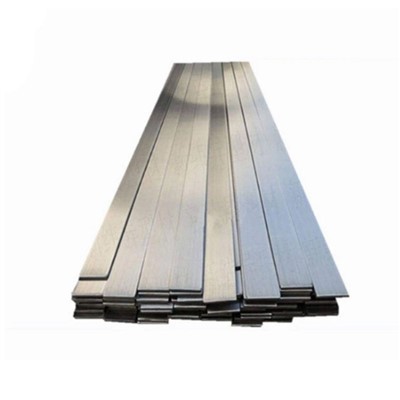
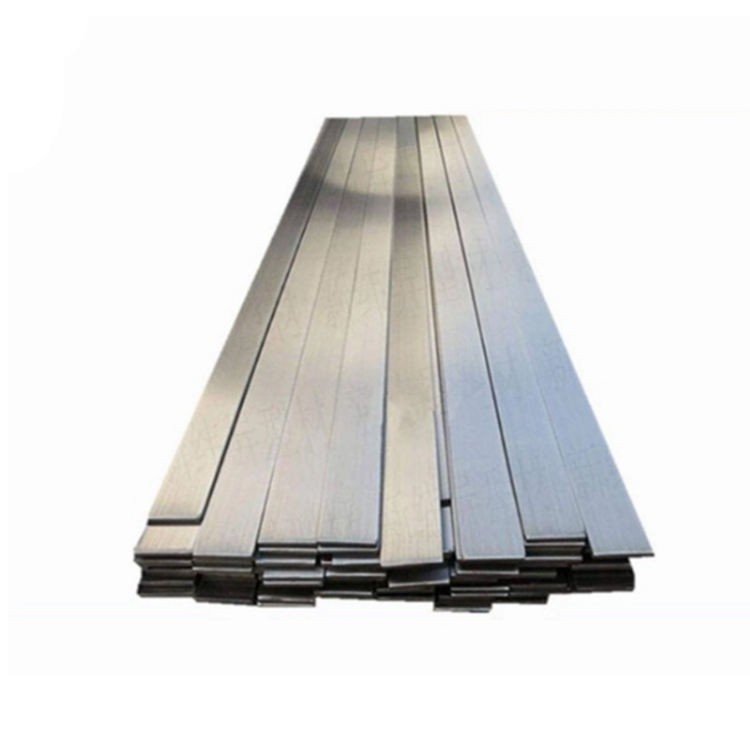
- Flat Steel Bar: Selected when specific width and thickness ratios take priority over circular geometries, commonly used for brackets and machine bases.
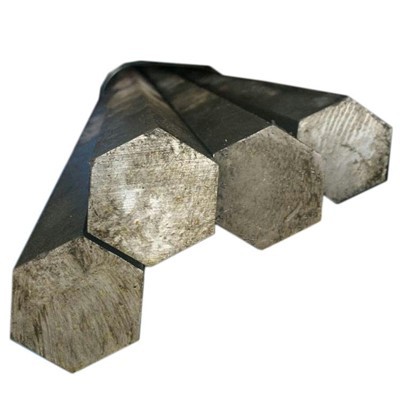
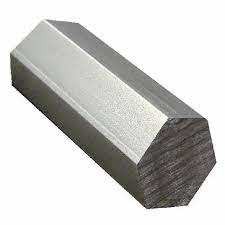
- Hexagonal Steel Bar: Frequently deployed for turned fastener components and nuts where a hexagonal profile minimizes secondary machining waste.
Hot Rolled vs. Cold Finished Steel Bar
The manufacturing route directly affects dimensional accuracy, surface integrity, and overall production costs.
Hot Rolled Steel Bar
Produced at elevated temperatures and chosen for general engineering and structural fabrication where tight tolerances are not mandatory. Offers larger available sections and standard machining allowances.
Cold Drawn / Cold Finished Steel Bar
Processed to provide tighter dimensional tolerances, improved surface finishes, enhanced straightness, and consistent machinability. Highly recommended for high-volume automated CNC production.
Peeled or Ground Bar
Specified when absolute surface flaw elimination and strict dimensional control are vital prior to precision component manufacturing.

Total Processing Cost Perspective for Machining Buyers
Experienced procurement managers evaluate steel bars based on total processing cost rather than initial material price per ton:
Machinability
Choosing a grade that meets mechanical strength but has poor machinability will increase tool wear and extend machining cycle times.
Incoming Tolerances
Tighter incoming dimensional tolerances reduce unnecessary material removal, saving both raw material waste and machine time.
Surface Integrity
Surface defects hidden on low-grade bars often emerge after turning or grinding, causing high component scrap rates.
Frequently Asked Questions