


Steel Plate
Steel Plate Procurement Guide: Carbon Steel, Structural Steel and Industrial Plate
Steel plate is a flat steel product used where material thickness, structural strength, weldability and dimensional consistency are critical to the finished component or structure.
For industrial procurement, selecting steel plate is not simply a matter of choosing a nominal thickness. The required steel grade, applicable international standard, dimensions, mechanical properties, delivery condition, surface requirements, packaging/rust prevention, and inspection documents must precisely match the final engineering application and project specification.
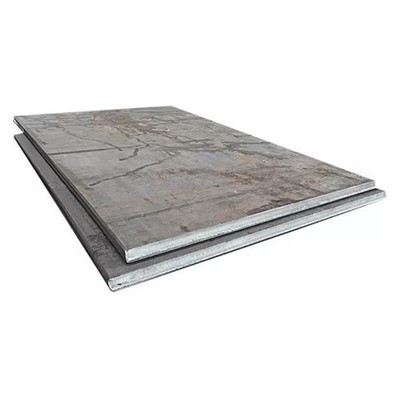
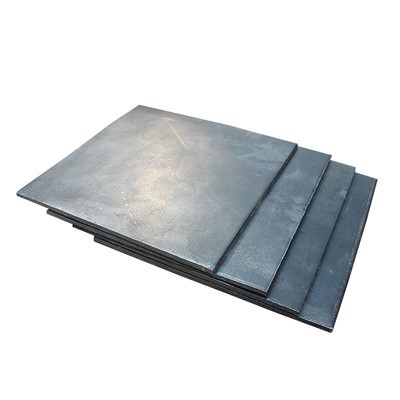


Steel Plate Selection at a Glance
|
Procurement Requirement |
What to Confirm |
|
Steel Grade |
Carbon steel, structural steel, high-strength steel, pressure vessel steel, alloy steel, or other specified grade |
|
Standard |
ASTM/ASME, EN, JIS or another project-specified standard |
|
Dimensions |
Required nominal thickness, allowable tolerances, width, and length |
|
Mechanical Properties |
Yield strength, tensile strength, elongation, and impact requirements where applicable |
|
Chemical Composition |
Carbon, manganese, and alloying elements according to the specified grade |
|
Delivery Condition |
As-rolled, normalized, normalized rolled, TMCP or other specified condition |
|
Surface & Finish |
Mill finish, surface condition, and permissible defect limits |
|
Packaging & Protection |
Export-standard packing, anti-rust oil application, and moisture-proof protection |
|
Testing & Inspection |
Mechanical testing, chemical analysis, impact testing, ultrasonic testing (UT), or third-party inspection |
|
Documentation |
Mill Test Certificate (MTC), heat traceability records, and compliance documentation |
Main Steel Plate Types
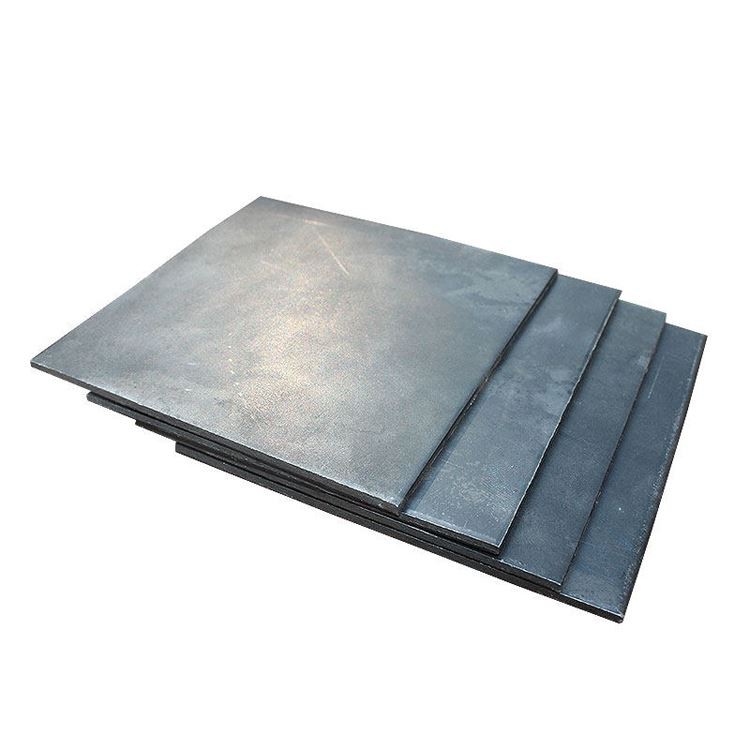


1. Carbon Steel Plate
Widely used for general fabrication, machinery, structural components, and industrial manufacturing.
Key Considerations: Steel grade and standard, yield/tensile strength, carbon and manganese content, thickness tolerances, weldability, surface condition, plate flatness, and MTC requirements.
Common Specifications: ASTM A36 or equivalent project-specified grades.
2. Structural Steel Plate
Selected for load-bearing components and fabricated structures where strength, weldability, and dimensional performance are required.
Key Considerations: European structural grades include S235, S275, and S355 under relevant EN specifications. Equivalent grades are not automatically interchangeable; material conditions and project specifications must be verified prior to substitution.
Typical Applications: Structural frames, bridges, platforms, industrial buildings, heavy machinery, and supporting structures.
3. High-Strength Steel Plate
Used when a higher strength-to-weight ratio is required, allowing designers to reduce component thickness or structural weight.
Key Considerations: Yield strength, tensile strength, elongation, weldability, carbon equivalent, forming requirements, impact toughness, and heat treatment delivery condition.
4. Pressure Vessel Steel Plate
Used for equipment exposed to internal pressure or controlled-temperature service. Material selection depends primarily on the applicable pressure equipment code and service conditions.
Key Considerations: Chemical composition, tensile/yield properties, impact toughness, heat treatment, thickness tolerance, ultrasonic testing (UT), surface quality, and material traceability.
5. Weathering Steel Plate
Used for applications where atmospheric corrosion resistance is part of the architectural or engineering design concept. It should not be treated as a universal replacement for coated or stainless steel.
Dimensions, Tolerances, and Surface Conditions
Dimensional Control
Dimensions should be defined in the purchase order using the required unit system and tolerance class:
Nominal Thickness -> Thickness Tolerance -> Width & Length Tolerances -> Flatness Requirements -> Edge Condition
Surface Finish and Preparation
Steel plate is normally supplied with a standard mill-finished surface.
For standard structural fabrication, minor mill-scale conditions may be acceptable.
For painting, coating, precision fabrication, or downstream CNC machining, specific surface preparation requirements must be stated separately in the technical inquiry.


Yield Strength: Indicates the stress level associated with the specified yielding criterion.
Tensile Strength: Indicates the maximum tensile stress reached during testing.
Elongation: Measures material ductility.
Impact Toughness: Required for applications exposed to low temperatures or dynamic loading, with test temperatures and acceptance criteria defined by the standard.
Chemical Composition: Controls carbon, manganese, silicon, phosphorus, sulfur, and alloying elements. For welded structures, carbon equivalent is crucial for assessing weldability.
Global Logistics and Packaging
For international procurement, heavy steel plates require specialized handling and logistics planning:
Export Packaging
Plates are typically bundled, strapped, and secured for transport, with wooden dunnage applied to prevent shifting during transit.
Corrosion Protection
Anti-rust oil or temporary protective coatings should be requested if plates are subjected to extended ocean freight or humid storage environments.
Container vs. Bulk Shipping
Depending on plate dimensions and total tonnage, transport methods (20-foot open-top containers, flat rack containers, or break-bulk vessels) must be planned in advance.
Frequently Asked Questions