


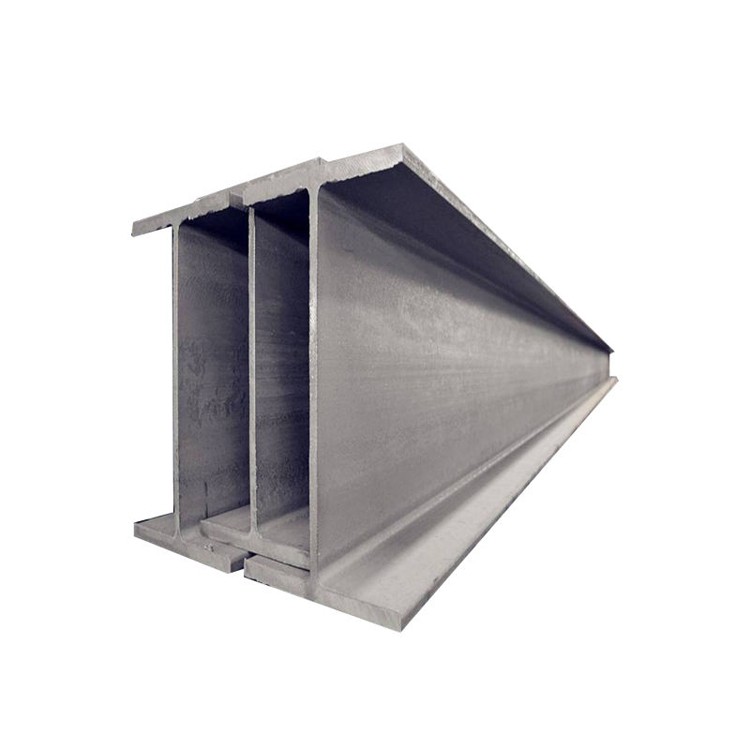


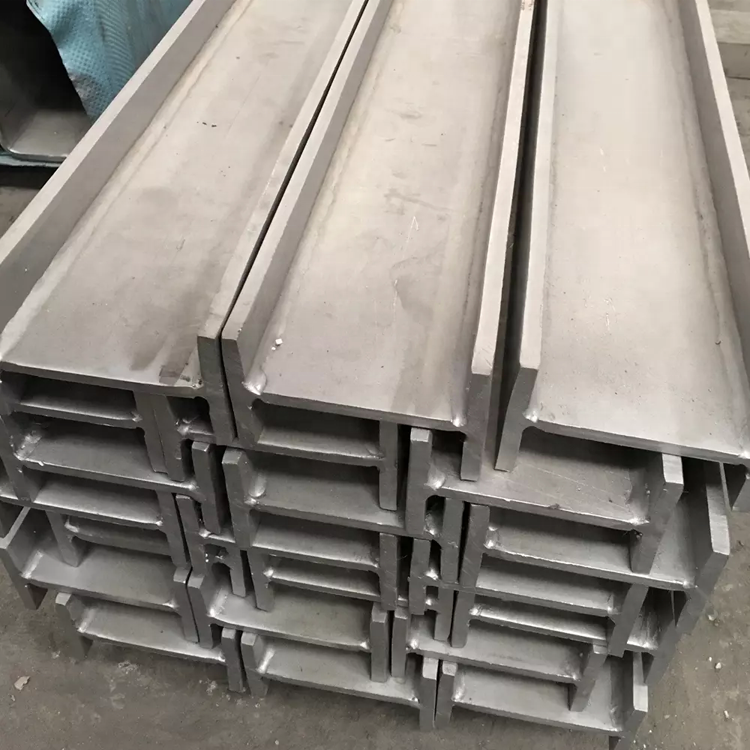

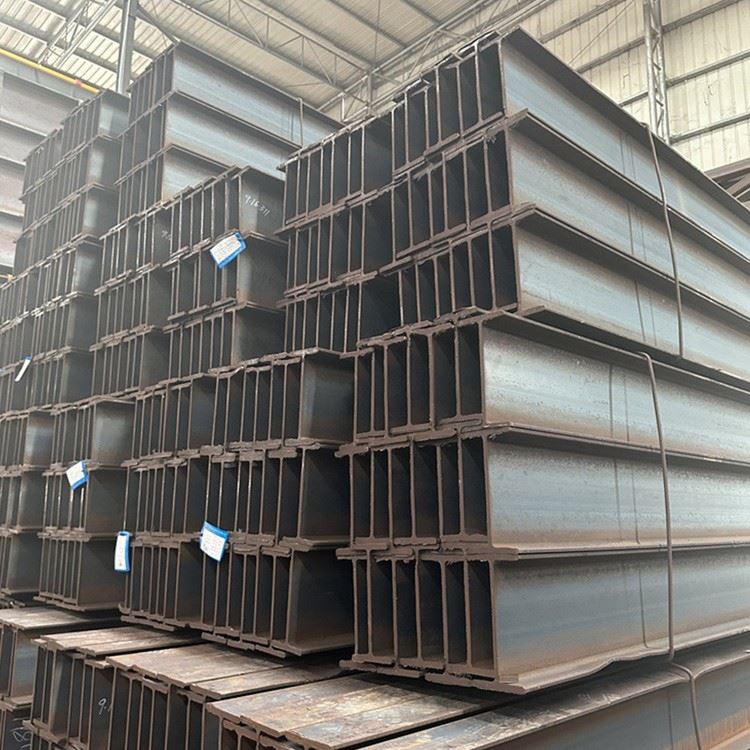
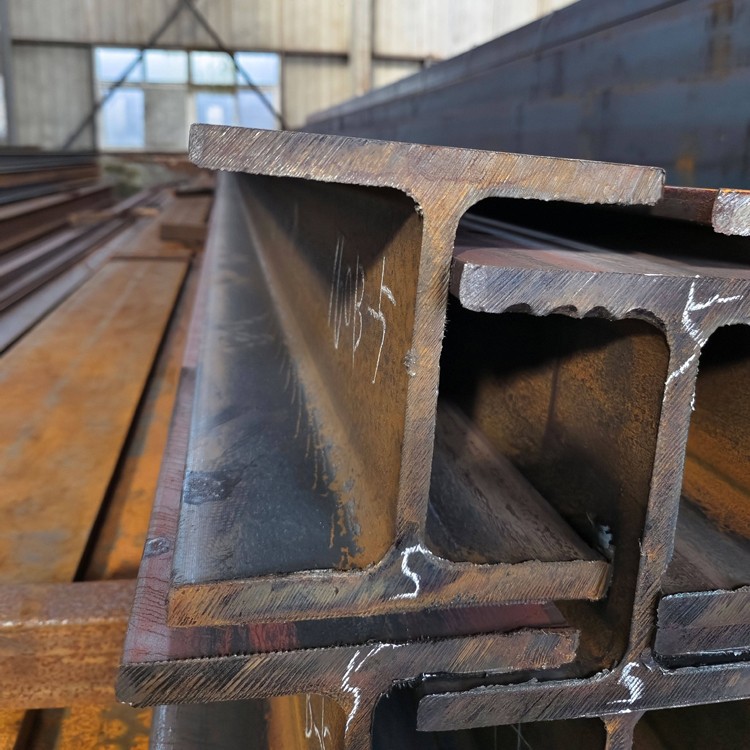
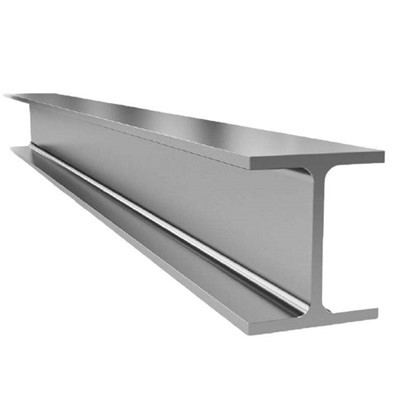
Carbon Steel H-beam
Flange Thickness:9.3
Flange Width: 153
Web Width :157
|
H-shaped structural steel |
|
|
Length |
1000-15000mm,according to customer requirements |
|
Flange Thickness |
9.3 |
|
Flange Width |
153 |
|
Web Width |
157 |
|
Web Thickness |
6.6 |
|
Standard |
ASTM DIN GB JIS EN AISI |
|
Tolerance |
±1% |
|
Surface Treatment |
Galvanized,Polishing, Painting or according to clients requirements |
|
Steel material |
A36 A36B A992 A992B A572Gr50 A572BGr50 |
|
Technique |
Hot Rolled/Cold Rolled/Welded |
|
Payment Term |
30% deposit+70% final payment |
|
Price terms |
EXW FOB CIF CFR |
|
H Beam Specification |
|||||
|
size |
w/m |
size |
w/m |
size |
w/m |
|
100*50*5*7 |
9.54 |
250*255*14*14 |
82.2 |
400*400*13*21 |
172 |
|
100*100*6*8 |
17.2 |
294*200*8*12 |
57.3 |
400*408*21*21 |
197 |
|
125*60*6*8 |
13.3 |
300*150*6.5*9 |
37.3 |
414*405*18*28 |
233 |
|
125*125*6.5*9 |
23.8 |
294*302*12*12 |
85 |
440*300*11*18 |
124 |
|
148*100*6*9 |
21.4 |
300*300*10*15 |
94.5 |
446*199*7*11 |
66.7 |
|
150*75*5*7 |
14.3 |
300*305*15*15 |
106 |
450*200*9*14 |
76.5 |
|
150*150*7*10 |
31.9 |
338*351*13*13 |
106 |
482*300*11*15 |
115 |
|
175*90*5*8 |
18.2 |
340*250*9*14 |
79.7 |
488*300*11*18 |
129 |
|
175*175*7.5*11 |
40.3 |
344*354*16*16 |
131 |
496*199*9*14 |
79.5 |
|
194*150*6*9 |
31.2 |
346*174*6*9 |
41.8 |
500*200*10*16 |
89.6 |
|
198*99*4.5*7 |
18.5 |
350*175*7*11 |
50 |
582*300*12*17 |
137 |
|
200*100*5.5*8 |
21.7 |
344*348*10*16 |
115 |
588*300*12*20 |
151 |
|
200*200*8*12 |
50.5 |
350*350*12*19 |
137 |
596*199*10*15 |
95.1 |
|
200*204*12*12 |
72.28 |
388*402*15*15 |
141 |
600*200*11*17 |
106 |
|
244*175*7*11 |
44.1 |
390*300*10*16 |
107 |
700*300*13*24 |
185 |
|
244*252*11*11 |
64.4 |
394*398*11*18 |
147 |
792*300*14*22 |
191 |
|
248*124*5*8 |
25.8 |
400*150*8*13 |
55.8 |
800*300*14*26 |
210 |
|
250*125*6*9 |
29.7 |
396*199*7*11 |
56.7 |
900*300*16*28 |
243 |
|
250*250*9*14 |
72.4 |
400*200*8*13 |
66 |
|
|
Standards
H-beam steel is manufactured and used according to various international standards to ensure quality and consistency. Some of the common standards include:
- American Institute of Steel Construction (AISC): This standard provides specifications for the design, fabrication, and erection of structural steel, including H-beams .
- European Standard (EN 10025): Specifies the grades of carbon steel and low-alloy steel for structural purposes, including H-beam steel .
- Japanese Industrial Standard (JIS G3192): Defines the dimensions, shape, weight, and permissible deviations for hot-rolled H-beams .
Steel Grades
H-beam steel is produced in various grades, each with distinct mechanical properties:
- ASTM A36: A common structural steel grade in the United States with a minimum yield strength of 250 MPa .
- ASTM A992: Frequently used in North America for structural steel, with a minimum yield strength of 345 MPa .
- S235JR/S275JR/S355JR: European grades specified under EN 10025, with minimum yield strengths of 235 MPa, 275 MPa, and 355 MPa, respectively .
- SS400: A standard structural steel grade in Japan, with a minimum yield strength of 245 MPa .
H-beam steel is produced through a series of meticulous manufacturing processes that ensure its structural integrity and performance. Here's an overview of the production process:
Melting and Casting: The process begins with the melting of scrap steel in an electric arc furnace or a basic oxygen furnace to produce molten steel. This molten steel is then continuously cast into billets or blooms of appropriate sizes.
Rolling: The billets or blooms are reheated and passed through a series of rolling mills to form the desired H-shaped profile. This process involves hot rolling, where the steel is shaped at high temperatures
Caliber Rolling: In the roughing stage, caliber rolling is conducted to obtain the same cross-sectional shape as that of the rolls. After producing a near H shape by caliber rolling, the product is finished by a universal mill and an edging mill.
Cooling and Straightening: Post-rolling, the H-shaped steel sections are cooled and straightened to ensure dimensional accuracy and mechanical properties.
Cutting and Finishing: The H-shaped steel sections are cut to the required lengths and undergo surface treatment processes such as shot blasting or painting.
Steel Inspection: Finished H-beam steel undergoes inspection for size, shape, and accuracy. Adjustments or corrections are made if any discrepancies are detected.
Advanced Manufacturing Techniques: Modern manufacturing techniques, such as computer-aided design (CAD) and automated welding, ensure greater precision and consistency in the production of H-Beams.
Universal Rolling Mills: In modern steel rolling production, H-beams are rolled using universal rolling mills where the web of the H-beam is rolled between the upper and lower horizontal rolls, and the flanges are formed by the vertical rolls.
Water-Cooled Forming: The H-steel passes through a finishing mill to control the width of the flange, and the blank is repeatedly rolled several times, finally passing through a water-cooled forming process.
These steps combine to produce H-beam steel with precise dimensions and superior mechanical properties, making it a preferred choice for various structural applications in construction and engineering.
Hot Tags: carbon steel h-beam, China carbon steel h-beam manufacturers, suppliers, factory
Previous
Stainless H BeamYou Might Also Like
Send Inquiry